book club: ‘how we fight for our lives’.

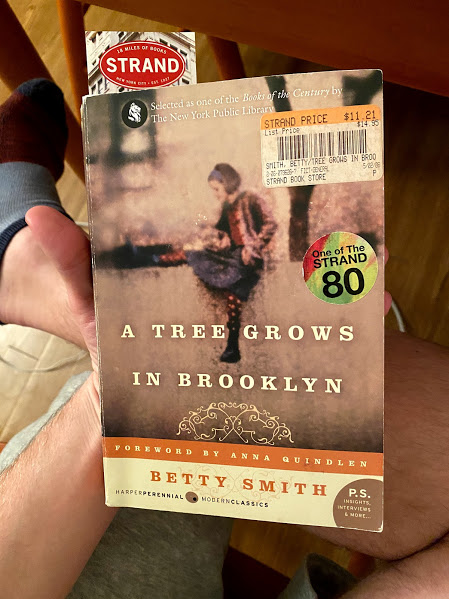
Despite what conventional wisdom might tell me, I have a tendency to judge a book by its cover. When I walked into Strand Books one afternoon, I did so with the intention of not buying any new books for myself. You have enough, Michael, I reasoned with myself. Then I noticed Saeed Jones’ How We Fight For Our Lives, like a novel on fire, propped up among the stacks. Intentions falling to ash at my feet, I reached for a copy.

When I cracked it open, intending to peruse a page or make a decision, I was pulled immediately into the story: a young gay man at the library, solicited by an older man to join him in the restroom, facing the dilemma between asking for help or allowing his feet to carry him where he wanted to go. I read three or four pages, immersed, before I remembered I was standing in a crowded bookstore. Sighing, I bought the book.

IMG_8446

How We Fight For Our Lives is a memoir, the author’s retelling of his discovery of the world as a son, a grandson, a black man, a gay man, and the intersection of all of these. Shared chronologically, stories from Jones’ life feel simultaneously realistic and raw. There is trauma, humor, loss, and horror. There is danger, hope, joy, and despair. All of it is shared unflinchingly, with refreshing honesty and humanity. My hands couldn’t set it down.

I was walking through a dusty, fluorescent-lit hallway––halfway to the assembly hall, trying with every filament of my body to look cool––when the two truths finally collided:

Being black can get you killed.

Being gay can get you killed.

Being a black gay boy is a death wish.

If you’re a black man in the United States, there is an inherent sense of danger in the world around you. In a different way, if you’re a gay man, the threat of violence looms around you. Carrying both identities, with the knowledge that there are certainly strangers in the world concealing hatred for both or either, intensifies that isolation. The experience of navigating that danger, walking the world with the keen awareness that it could show up and bring the story to a brutal, sudden end, often goes unacknowledged. As a reader, it hurt to navigate some of these moments alongside Saeed’s storytelling. He doesn’t flinch away from those moments, doesn’t pull away before exposing the nerves.

‘Deserved.’ I started circling that word like dirty water whirling down a drain. As I saw it, I had pursued him for much of that night ,hoping that he would invite me back to his place. I had seen him as a sexual object, or rather, I had built a metaphor around his body. And then, once we were alone in that room, he broke out of it, and almost broke me. Did I deserve what had happened to me? Had I been asking for it? Had I pushed too far? Or was this simply the risk I accepted, and would have to continue to accept, any time I went back to a guy’s place?

Much of the story in How We Fight For Our Lives revolves around the narrator’s relationship with his mother. Early in the story, Saeed alludes to the idea that his mother’s heart will not carry her beyond the pages of the story, that he will lose her before we are done reading. Still, there are stories that capture her humanity, her hope and heartbreak. As so often happens in the retelling of our stories of loss, there is a sense of hope that the ending will be different this time, that the very threads of reality, in the retelling, will work themselves into new knots.

‘Sedrick Saeed Jones, quit playing. I made you.’ She laughed then hung up. I wanted to laugh too, but I felt swept along, swept past. It annoyed me, how easily she was able to pry me away from myself. When I put down the phone, though, my frustration curdled into shame. How could I begrudge the woman who raised me on her own? How dare I, when she had found it in herself to keep loving her own mother through decades of ups and downs?

How We Fight For Our Lives is a provocative title for a memoir, sounding something like an instruction manual, promising answers to what is undoubtedly an impossible question. Who, I wondered, holding it in my hands, is the ‘we?’ Gay men? Black people in the United States? Sons raised by single mothers with ailing hearts? Mothers showing up to work in between orange pill bottles? Having finished the memoir, consumed it voraciously and let its stories echo over me a bit, I think the answer is yes. To all of those, each of them individually and sometimes all of them at once. Another question, what is it to fight for a life, rises naturally. The answer, I think, is both impossible and simple, found somewhere in the swell of hope among heartbreak, in the keeping on amidst falling apart. We’ve got to keep searching.

here no more.

i can’t find you in my poetry
my god, the months and months of
stubbornly writing every letter
of the alphabet, only to realize
i’d again spelled out your name
and now

i don’t stumble upon you in song lyrics
can’t fathom the sound of my name
in your voice, you are
a Polaroid photograph, yellowing on
some forgotten windowsill,
and i’m somewhere outside, a hundred
thousand miles away

poetry

book club: ‘the great believers’.

My friend, the Facebook message read, are you ready to have your heart broken again?

And so it was that I received the recommendation for The Great Believers, a novel that coaxed me into loving its characters, then (as promised) broke my heart as it pulled them through the heartbreak and hope of living, and losing their lives, through the AIDS crisis in 80’s Chicago.

IMG_8299

Continue reading “book club: ‘the great believers’.”

brother, i.

brother, i want to thank you
for taking the time to pin
my boutonnière to my lapel
i know it’s the sort of thing
i could have figured out for
myself, instead of waiting
five minutes before pictures,
but you didn’t say so, you
just smiled, just quietly
pinned them together

i want to thank you
for staying beside me
every time i spilled my life
across the sidewalk, another
failure to get it right, you
grabbed my shoulder, looked
me in the eye, told me
we’d keep on walking, you
and me, pick up what
we could and keep going

thank you for imaginary
games in the backyard,
sound effects and wide
eyes, how you believed
in things unseen, magic
faraway worlds, and
me, how you kept on
believing in me

i want to say i will
carry you with me
every step of the road,
brother, want to
grab your shoulder, look
you in the eye, tell you
it’s you and me

and, trembling fingers, i will
pin this boutonnière to my lapel,
the delicate bringing together,
how i will miss your gentle
hands, try and mimic them
in the mirror, brother,
i will carry us now

poetry

2019: the year of putting down roots.

2019rev

2019 arrived chaotically, waves of rainfall and loosely stitched plans ushering my friends and me into a dimly lit, low-energy bar with only a handful of minutes before the new year. We ordered drinks, grabbed the noisemakers scattered obligatorily across the bar and distributed them among the reluctant tables. Beers in hand, we watched the television set. When only thirty seconds were left, we shouted the countdown, our arms waving back like conductors at the unwilling orchestra.

By sheer force of will, or by nagging pull of tradition, cresciendo the orchestra did. Happy new yearwe proclaimed together. Band of strangers, hunkered down away from the rain, building hopes and beckoning in a year of new chances.

As 2019 loomed, I found myself decidedly unsure of how to think about the year to come. Normally, I feel reflected and ready, setting a vision for myself and embarking. But 2018 was a year of big change –– letting go of an old chapter, moving to New York City, beginning again –– and I wasn’t sure I’d found my bearings.

I need to put down roots, I remember thinking. I needed to start moving through this city like a citizen, somebody who calls it home. The more I reflected on it, the clearer my next steps became: cook more meals at home, find friends, build a community. Paint an orange glow over the miles and miles of slate gray.

In a one-on-one meeting, early in the year, I told my boss about this, and he nodded. “I’ve noticed you spend a lot of your time hosting visitors and flying home,” he told me, “I think it’ll change your life to focus on your roots here.”

And change my life, I did –– by inches at a time.

I started by making my bed every morning, a simple shift toward mindfulness. Per a friend’s recommendation, I checked out the world of Trader Joe’s, and my evenings became opportunities to cook for myself, plate my own nourishment, store the remainder for tomorrow’s lunch.

In the spring, I joined a kickball league for queer folks and met a wild array of inspiring, ridiculous, warm humans. They welcomed me in, and I rediscovered laughter and teary conversations and storied nights out and fragile brunches the morning after. By summer, I marched with them through the streets of my favorite city, Pride flag dancing in waves in the wind behind me. We passed Stonewall Inn, greeted crowds of thousands, laughed and danced and celebrated.

I broke new ground in ways intended and unintended. I bought new furniture, and I wept openly on the train home. I ran miles and miles, under every kind of sky, and I rolled my ankle on a visit to a friend, showing up at his doorstep with scraped palms and a month of healing ahead of me.

I left my twenties behind, let go of everything and everybody that wouldn’t be coming along with me to my thirties, and I felt gratitude that, sometimes, we don’t get to keep the things we think we want.

I look around, glimpse the faces that light up at seeing mine, the hands that reach for mine, the wild thunderclap of the city I get to try and burrow roots into, and I realize I’m living exactly the adventure I’d dreamt.

It was the year of conscious growing, of every mile carved from inches of stubborn hope, the year of believing before seeing, of wide-eyed sincerity wrapping arms around hard-won wisdom, the year of wild laughter, can you believe we’re here and this is real, the year of rediscovering my hands have the habit of reaching for what burns them, of training them to gently let go, the year of laughing with my sister over speakerphone, of learning to speak through the tears instead of choke to silence, the year of fighting to burrow through concrete, of trusting the sunlight to warm the sidewalks, sprawl out and unfurl, the year of dressing my limbs in every color under the sunlit sky, comprised of every last one, the year of believing in the wildest of magic, magic, magic.


tabletop.

i’m going to say this once,
and then i’m going to
say it again, clearer,
clearer again in my
conviction, so you will
believe me ––

whatever it is you’ve got
squirreled away, layers
away from the light, the
thing you carry
on aching shoulders, the
worst of you, the
mess drawer, ugliest
page ripped from the
bindings, hidden away
from the story

set it down
here, on the table,
say it out loud and
bear witness to
the way monsters
cower outside of
the darkness

what a thing it is
to learn, the most
endearing shreds
of our shaking
selves are the
things we conceal

poetry

the age of wanting.

New York City has just begun its season-long surrender to the cold, and we’re all figuring out how to move through it. My pace is quicker, long strides like scissor chops along the sidewalk, heavy exhale at the orange hand crosswalk. I bury my face in my scarf, lift my shoulders and peer out from my coat.

A love song fills my ears, and, though my mouth is hidden from view, my lips pull back into a grin. Two voices lift to falsetto, dancing together to forever, and my eyes close in romantic affirmation.

Continue reading “the age of wanting.”

serena.

let me tell you this,
there’s a reason you
are always telling stories,
laughter rising and
scattering across the
room like lamplight

these pictures you
paint, hands in the
air as you brush
hope across the
concrete walls, are
defiant color over
the long-drawn gray

they add up, in
the end, all the
story after story
after story, into
the big one, the
everything together,
the one we all need,
miraculous spark.

poetry

days of healing.

The moment I realize I’m hurt, I move into bargaining mode. I’ll take the rest of the week off of running, I say, hobbling my way onto the sidewalk, palms screaming red, and then I’ll be right back to it. It never works, but my first instinct every time is to persuade. To coax my healing into a hurry.

Twist my ankle, and I start walking on it just ‘to strengthen it a bit.’

Wake up trembling, feverish, and I start a regimen of orange juice and Friends episodes. “Only one day,” I assure myself.

Break my heart, and I bite my lower lip, choke back tears, swallow hard questions, and try to assemble my shattered pieces into a convincing self. “No one can break a whole person,” I write, my fragments spilling across the keys.

Healing is apathetic to my timelines, so I ache impatiently in an empty room, a whispered question echoing, Why am I so gentle with others and severe with myself?

More often than not, I’ve got a bag on my person. Strapped over my right shoulder, sloping diagonally my torso, resting against my hip, held securely by my left palm. Contents vary, depending on the occasion, but usually I carry these: books, the one I’m reading and the one I’m excited about; felt-tip pens, a handful at first but eventually an army, until I realize my office jar looks empty; a notebook, pages littered intermittently with ideas and lists and doodles; a piece of mail, something I probably meant to do something with; a candy wrapper, defeated and forgotten, color and sheen relinquished miles ago.

I carry it with me on the train, trips to the coffee shop, journeys across the city to meet friends. The bag rarely sees much use, actually. I only crack it open once I remember I’ve brought it with me. When I’m stepping out, though, and I see it waiting on my chair, I muse, what if I need it later?

I do the same thing with memories. Walking around my early thirties, I remember the time I was fifteen and a friend and I were Saturday Night Live cheerleaders, the auditorium roaring its approval. Hugging friends at the bar on a late Saturday night, I recall the night in undergrad when Colleen twisted her ankle, that groggy morning after, how I insisted (laughing so hard I was crying) she had whipped her earrings off onto the shelf. Pulling open the door to a first date, I think of the first time another man kissed me, the way I pulled away, not yet convinced I had the nerve to want out loud.

There’s not a single important person in the pages behind me I don’t somehow keep in the ledgers. I’ve wrestled my heart away from false futures, gotten it moving again, hoping, dreaming, but it still finds a way to pull me back. Run my palms across old chapters.

Remember him, it tugs, remember the game you played, face to face, you singing a note and him trying to stay with you you as you sang, the absurdity of it, the way the singing and laughter blurred together, the moment you let yourself want forever.

I remember.

Three days on my couch, and here’s what I can tell you: Healing is not a comfortable state. It is slow, and insistent, and lonely.

A few weeks ago, I asked a friend the following: If you got injured, and you had the option to be ‘put under’ for the whole healing process, would you? He’s a writer, a profound thinker and feeler, so he said ‘no.’ He said I wouldn’t, either. That healing ‘mattered too much.’

Sometimes I’m not sure. I get so frustrated by the setbacks, the interruptions to routine, the barriers to doing all that I want to do. He’s probably right, I know. So much of my compassion comes from my hurting, and so much of my sincerity comes from my recovery.

So I write it down. Take the time to healit matters, pin it to my bag, on top, carry it across my shoulders. A reminder for the days I forget to be gentle.

5E8210CB-B1A5-4C12-AC66-1BD61BD1C3E7